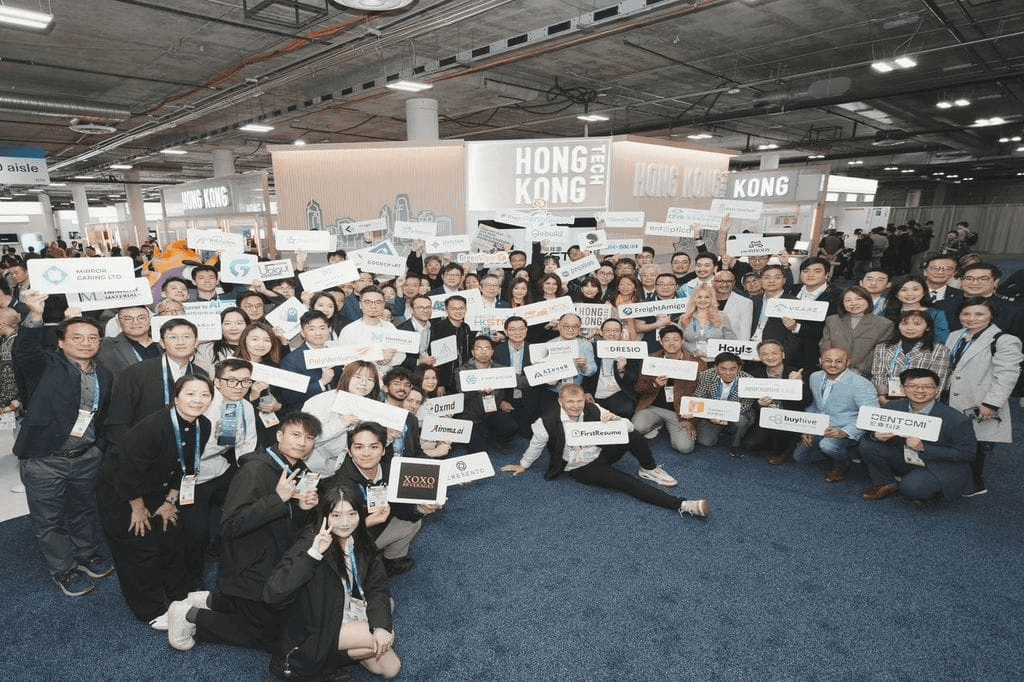
CES 2026 in Las Vegas was a sensory overload. Neon-lit halls, autonomous drones overhead, and digital twins simulating entire cities filled the venue. Innovation pulsed through every corner. Yet for the FirstResume team, the most powerful discoveries did not happen on the main stages. They happened in the aisles of Eureka Park.
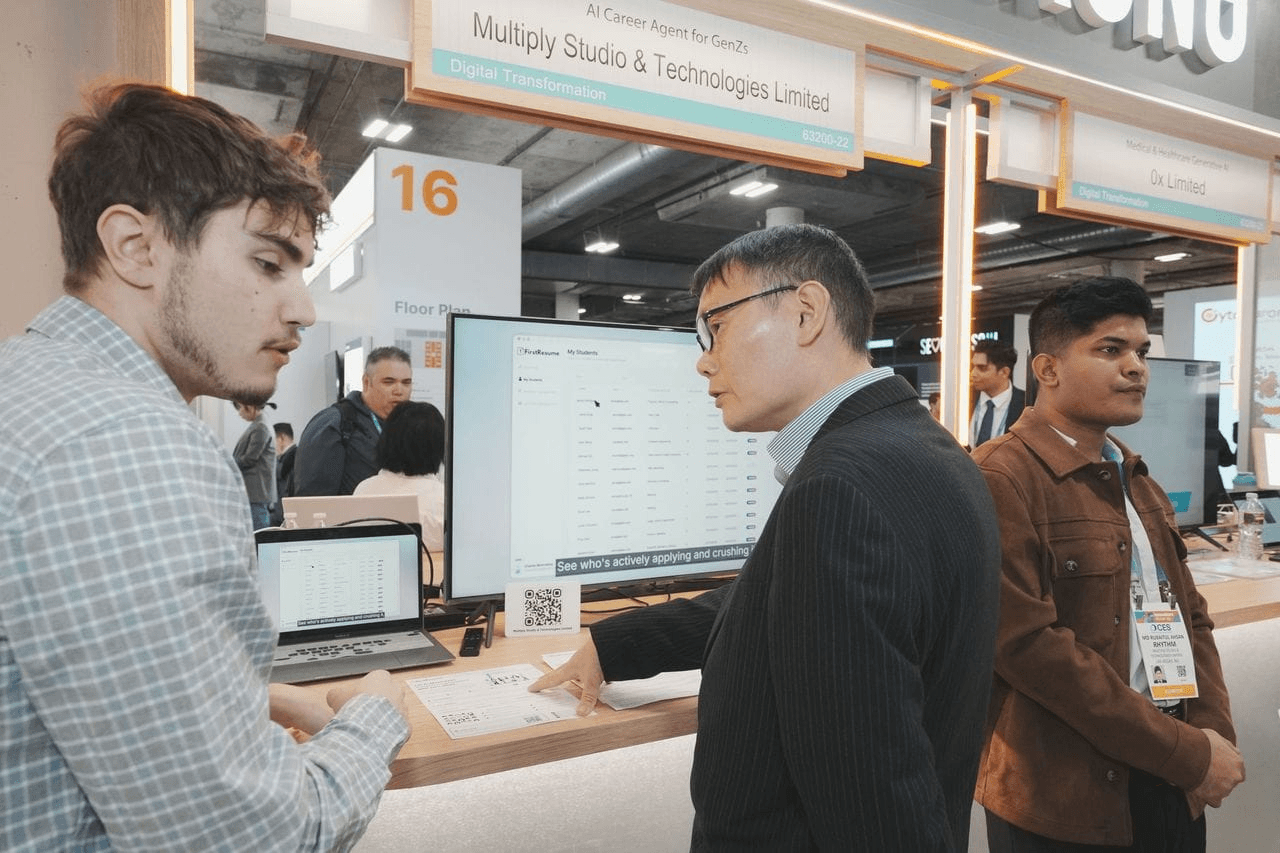
Under the Hong Kong Pavilion, our booth became a crossroads for global talent. Students, career changers, recruiters, and founders stopped by not just to see a product demo but to talk about uncertainty, rejection, and ambition. The “future of work” was no longer a buzzword. It became a series of deeply personal stories.
As Sergey, Yasen, and Rubaitul spoke with hundreds of visitors across four days, a clear pattern emerged. While technology is accelerating at a breathtaking pace, the way people navigate their careers is undergoing a painful but necessary transformation.
The Reality of “AI Fatigue” in Hiring
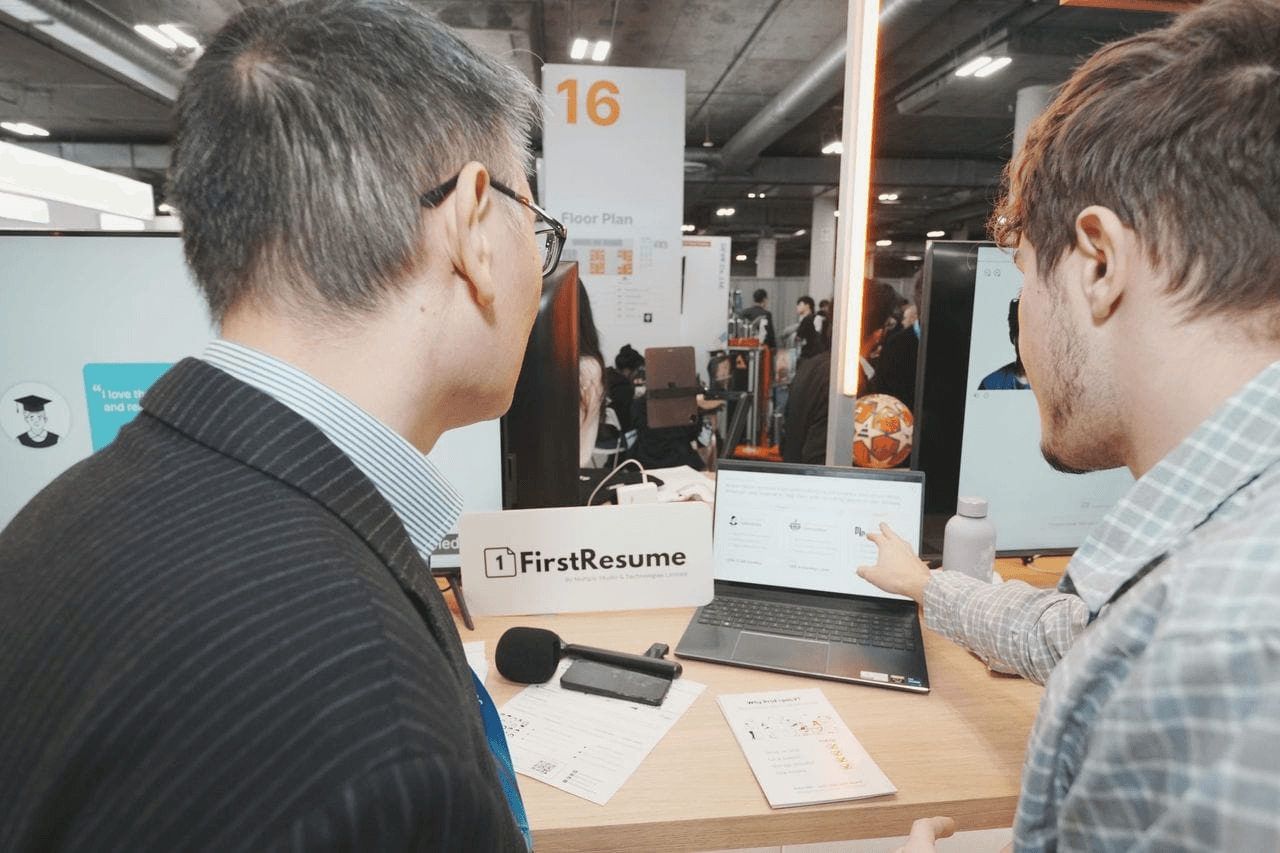
The most striking insight from CES was the sheer level of AI fatigue among job seekers.
We met students who had tried every generic resume generator on the internet. Professionals who had rewritten their profiles dozens of times using automated tools. Career switchers who had sent out hundreds of applications, only to hear nothing back.
In 2026, the job market has reached a tipping point. Generative AI has made it effortless to apply to hundreds of roles in a single click. In response, companies have tightened filters and automated screening even further. The result is a “black hole” hiring system—resumes go in, but human feedback never comes out.
When we demoed FirstResume, the reaction was immediate. Visitors weren’t looking for another tool. They were looking for a way to be seen. One first-year undergraduate told us:
“I’ve been messing with the product, and it is amazing… The simplicity of the process is already above and beyond what I’ve seen out there.”
That comment captured a quiet but powerful shift. Users are no longer impressed by complexity. They are impressed by clarity.
Testing the U.S. Market: A Crucible for Quality
Joining CES was a deliberate strategic move to test FirstResume in the United States—a market that is mature, competitive, and deeply discerning.
In many regions, startups must first explain why a digital-first resume matters. In Las Vegas, that conversation was already over. U.S. users know they need an edge. They’ve tried the incumbents and the newest AI tools alike. Their question wasn’t “Why should I use this?”—it was “Does this actually work?”
The U.S. market acts as a filter for quality. If a product doesn’t demonstrate value within the first sixty seconds, it’s discarded. What we learned was both humbling and affirming:
- Friction is the Enemy: Visitors responded to the experience of less clicking and more thinking.
- Outcomes over Features: They didn't want a "feature list"; they wanted to know if the software could bridge the gap to an interview.
- Emotional Energy: Job searching is draining. A tool that respects the user's time and mental health wins every time.
The Human Needs of a High-Tech Future
Although CES is a technology showcase, the most meaningful moments at our booth were profoundly human. We met students who felt invisible because they lacked “traditional” experience and HR leaders desperate for tools that help them find people, not just keywords.
Our booth became an informal mentoring space. These interactions crystallized something important: the most successful career tools of 2026 will not replace humans with AI. They will bridge the gap between human potential and digital systems.
At FirstResume, we realized our mission isn’t just to build documents. It’s to provide confidence. When a student sees their skills articulated clearly for the first time, their posture changes. They go from feeling “unqualified” to feeling “capable.”
Three Emerging Trends for the 2026 Job Seeker
Based on our marathon of conversations, three trends are now non-negotiable for anyone entering the workforce:
- The Death of the Generic Resume: In a world saturated with AI-generated text, authenticity is a premium. Recruiters told us they can spot a low-effort AI resume instantly. Success now requires high-intent, role-specific profiles.
- Proof of Potential Over History: Students fear the “experience gap,” but forward-thinking HR leaders are shifting toward skills-based evaluation. Projects, certifications, and adaptability now carry more weight than a prestigious job title.
- Simplicity as a Competitive Advantage: Time is the most valuable currency in 2026. Tools that remove friction and present information in clean, scannable, ATS-friendly formats are the only ones that make it through the filter.
A Mission Without Borders
Our time in Las Vegas confirmed that career anxiety is universal. Whether you are a student in Hong Kong or a developer in Silicon Valley, the need for clarity and direction is the same.
We are immensely proud of our team for representing FirstResume with empathy and purpose. They didn’t just demo software—they listened. As we move forward, our roadmap is clearer than ever: We are building a platform that ensures no one is left behind by the pace of technology.
The future of hiring is fast. With the right tools, it doesn’t have to be frightening.
Join the Revolution
If you’re a student or professional trying to cut through the noise of the 2026 job market, discover why CES visitors called FirstResume “much, much better than anything else.”
[Start building your future today.]