30 informational interview questions: The ultimate list for smart job seekers
Hello, future career champion! I’m here to tell you a secret that separates the job hunters from the people who actually get the job.
It's not just about having a great resume though that’s crucial (and why you’re here at Firstresume.ai). It’s about having insider knowledge.
See, most people treat the job search like a game of chance. They apply blindly, hoping their generic resume will stick. But smart job seekers the ones who land great offers will prepare for this Informational interview.
It’s not an actual job interview. It’s a 20-minute, zero-pressure conversation where you become the interviewer. You are conducting market research on your future career, and your interviewee is a successful professional.
The only way to win this game is to ask powerful interview questions. Bad questions waste their time and yours. Great questions unlock industry secrets, help you refine your resume, and build a network that will hand you your next job.
Ready to stop guessing and start strategizing? Let's dive into the only list of Informational Interview Questions you will ever need.
The importance of informational interviews
If you’re wondering why a resume platform is talking about interviews, here is the harsh truth:
The information you gather in an informational interview is the exact data you need to perfect your resume.
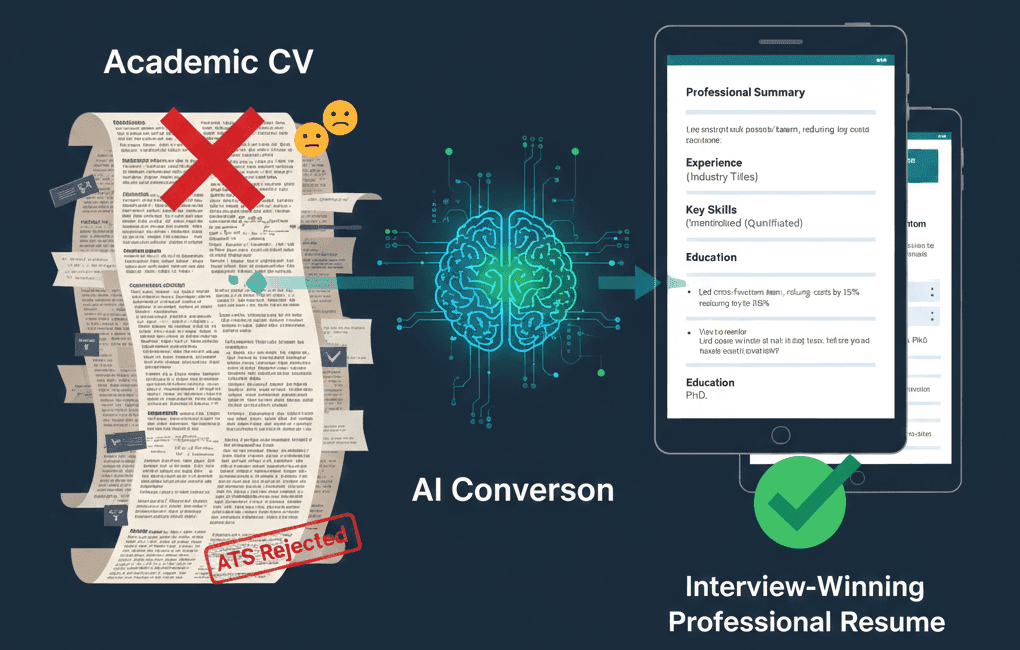
It gives you keywords: You learn the challenges and success metrics used in the industry. This is the language you must use to beat the Applicant Tracking System (ATS) and impress the hiring manager on your resume.
It Builds Your Network: You move from being a cold applicant to a known quantity. People hire people they know and trust.
Your Goal: Walk away with actionable advice, industry insights, and at least two new names of people they recommend you speak to.
Preparation is 90% of the game
Never disrespect a professional’s time by showing up unprepared. Before you send that email (yes, you need to find them on LinkedIn and send a personalized email), do the groundwork.
Research: Know their career path, their company's latest news, and their biggest recent accomplishment.
The Golden Rule: Never ask a question you could answer with a two-minute Google search.
30 powerful interview questions to unlock success
To keep the conversation flowing and effective, we group these interview questions into four strategic categories.
Gaining practical insight
These questions help you get past the job description and understand the reality of the work.
- Can you describe a typical workday in your role?
- What do you enjoy most and least about your job on a daily basis?
- What are the biggest challenges you face in your current position?
- If you could go back, what is one thing you wish you had known before starting this career path?
- What technologies or tools do you find indispensable for success in your work?
- How has the focus of your role changed since you first started at the company?
- What project are you most proud of, and what was its real-world business impact?
Career path & skills
These questions are crucial for identifying skill gaps and tailoring your professional development. This insight directly informs the "Skills" section of your resume.
- How did you get started in this specific field? What was your first step?
- Looking back, would you have pursued the same undergraduate degree or training?
- What specific skills, technical or soft, are most essential for long-term success here?
- What are the common career paths or growth opportunities within this organization?
- What’s the most critical training, certificate, or professional association you would recommend?
- How do you stay informed about the rapid changes and new trends in the industry?
- What are the personal attributes (e.g., persistence, communication) that truly set high performers apart in this job?
- If I want to be in your chair in five years, what should I start learning today?
industry & company culture
Understanding the culture and industry trends helps you decide if the environment is a fit and allows you to ask more sophisticated questions later on.
- How has this industry fundamentally changed since you first entered it?
- Where do you see the industry heading in the next five years, and what role will your company play?
- What do you feel truly sets your company apart from its main competitors?
- Can you tell me a bit about the company culture? Is it highly collaborative or more independent?
- What are some common misconceptions about working in this industry?
- Are there any unique policies or practices at your company that you find particularly beneficial?
- How does your team measure success, and what are the key performance indicators (KPIs)?
The ask & the next step (Making it actionable)
The close of the interview is where the magic happens. These questions are designed to get referrals and concrete advice.
- Based on our conversation and my background, what one piece of advice would you give to someone aspiring to enter this field?
- What are two things I should focus on polishing in my resume before applying for roles in this industry? (A great way to get resume-specific feedback!)
- Is there anyone else in your network, perhaps in a different department or company, whom you would recommend I speak with for a different perspective?
- What’s a realistic salary expectation for an entry-level position that utilizes the skills we discussed? (Ask this one carefully and respectfully.)
- When considering my job search, what is the best way to utilize my current network to find roles that aren't publicly advertised?
- What are the biggest obstacles or career barriers that early-stage professionals typically face here, and how can I prepare for them?
- How should a new employee best go about learning the ropes and gaining credibility in your organization?
- May I follow up with you in a few months to share my progress?
The follow up: Don't drop the ball
The job isn't done until the thank you note is sent.
Within 24 hours: Send a concise, personalized thank you email. Reference a specific piece of advice they gave you (e.g., "Your insight on the importance of SQL skills confirmed my plan to take that course next month.").
This follow up shows you value their time and, more importantly, that you are someone who acts on advice.
Now, take the powerful insights you've gathered from these interview questions and put them directly into your resume on Firstresume.ai. You can use a smart tool like our resume builder to ensure your document uses the correct resume format and keywords they mentioned. Knowing the right keywords, the right skills, and the right people transforms your job search from a wish into a strategy. Go get 'em!