8 Essential Soft Skills: The Proven Techniques for Career Growth
You've spent years getting your technical education you can code, you know finance, you've perfected your portfolio. These are your Hard Skills.
But here’s the real secret of the professional world: Hard Skills get you the interview; Soft skills get you the promotion.
In my experience, the person with the highest test score rarely wins. The winner is the one who knows how to handle people, talk clearly, and manage their career smartly.
This guide isn't about boring, generic advice. We’re covering 8 actionable techniques used by the best performers. If you are serious about fast growth, it's time to stop just "working" and start mastering these essentials.
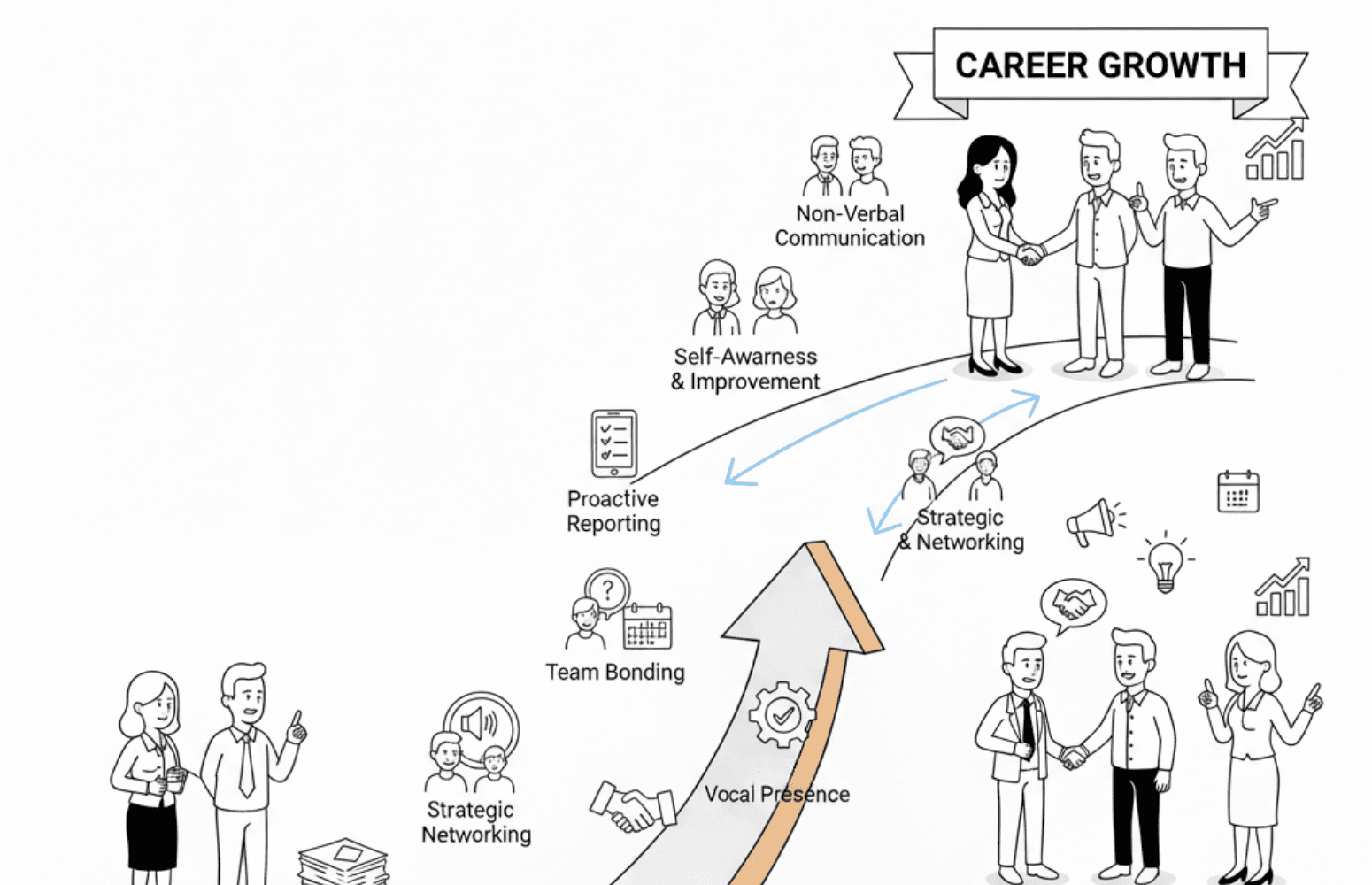
The 8 Soft Skills You Must Master Now
1. Interpersonal Communication: Make People Feel Important
The secret to building strong connections and influence is simple: use the SHR Method to make the other person feel important. First, make sure they feel Seen. This means giving them all your focus give them eye contact . Next, they must feel Heard. Do this by asking questions that show you honestly care about their life and conversation, instead of just waiting for your chance to speak. You have to truly listen! Finally, make them feel Remembered. The easiest way? Use their name. If you met them before, bring up a small detail from your last chat, like, "How was that trip you mentioned?" This small, honest step instantly builds huge professional trust.
2. Non Verbal Communication: Master Your Body
Your actual words are only 7% of your total message. The other 93% is how you show up.
Vocal Tone (38%): Use a voice that sounds excited, welcoming, and confident. If you speak in a flat voice (monotone), people think you're bored or have low energy.
Body Language (55%): Look at your posture, your hands, and your face. They must match your words. Stand tall, keep your shoulders back, and use clear hand gestures. This instantly makes you look competent and sure of yourself.
3. Proactive Reporting: Managing Your Boss Like a Pro
Your manager is busy and often stressed. If they have to chase you for updates, you're failing at basic communication. You need to manage up by sending a simple, weekly 4 bullet update.. Tell them:
- What They Asked You to Do (The priorities).
- What You Did (Your wins).
- Risks & Blockers (Anything stopping your progress, like "Waiting for X's approval"). This tells them what they need to clear for you.
- What You Need Help With (A direct request).
This simple habit is a game changer for building trust.
4. Self Awareness & Improvement: The Daily Practice
You can’t fix what you can't see. To know if you communicate well, you have to become your own coach.
I want you to start Recording a 60 second video of yourself every day for 30 days, talking about anything.
Body Check : Watch the video with the sound off. Look at your posture, expressions, and gestures.
Clarity Check: Listen to the video with the screen off. Note every time you use a filler word (like "um" or "like") or start rambling.
Top athletes review their game tapes; you need to review yours. This process fixes your errors and makes you confident in just one month.
5. Strategic Networking: Be Interested, Not Interesting
Here is a truth most people at networking events try too hard to impress. They focus on being Interesting. That's a mistake. You should focus on being Interested.
Stop wasting energy worrying if people like you. Put all your focus on being genuinely curious about them.
Start with easy "Ice-Breaking Questions" that they definitely know the answer to and can't be wrong about (like, "How long have you been at this company?").
Once you have a connection, move to questions that ask for their opinion ("How do you like the culture here?").
Being truly interested lowers their guard quickly, turning a stranger into a strong professional contact.
6. Team Bonding: Personalized Communication
Remember that your colleagues are humans, not robots. You build stronger team bonds with personalized communication, especially with a Friday Team Update.
In this weekly email, share two things: Work Highlights (what you won, who helped you and thank them by name) and a Personal/Fun Update. Share something simple you're okay with sharing: a new movie, a great new restaurant, or a sports final you're watching. This simple habit makes your team see you as a person, not just a job title, and builds huge loyalty.
7. Accountability & Ownership: Stop Complaining
You can't grow if you act like a victim. When something goes wrong, the easy way out is to complain ("It’s the system's fault," "My boss messed up"). That gives away your power.
The Game Changer is taking full ownership. Instead of complaining, ask yourself: "I did everything I could. What is the one next step I can take to fix this problem or make it better?"
Focus only on what you can control. People who take ownership are instantly trusted and given better opportunities which means faster career growth and a higher salary.
8. Vocal Presence: The Tone of Confidence
Your voice itself projects power. It’s not just about what you say, but the strength and clarity of your delivery.
When you speak, make sure your tone is enthusiastic, perfectly clear, and sounds like you know what you’re talking about. Practice changing your speed and volume to keep people engaged. A strong, confident voice is always seen as the mark of a decisive professional worth listening to.
Your Next Step on Firstresume.ai
Your resume on Firstresume.ai is where you highlight your Hard Skills. But now you have the secret weapon: Soft skills.
Use these 8 insights to change how you write your resume bullet points. Instead of writing, "Responsible for team communication," you'll write, "Implemented weekly 4 bullet proactive reports, improving management trust and reducing escalations by 20%."
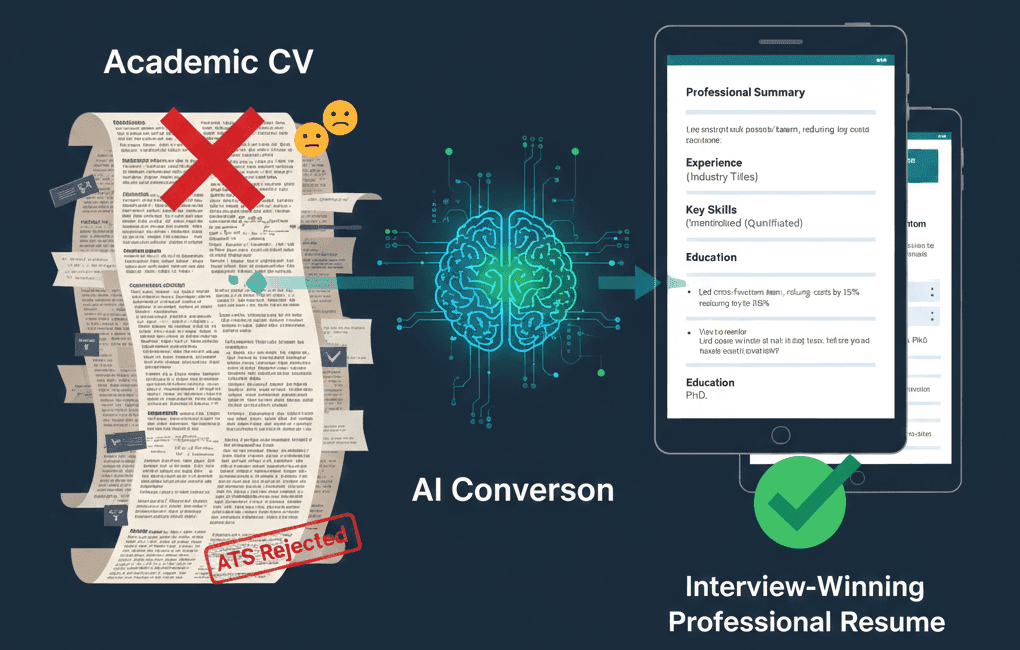
If you need help translating these achievements into an ATS-friendly resume format or finding the right professional resume templates, a quality resume builder like Firstresume.ai can guide you.
See how powerful that is? Stop just applying. Start practicing these 8 skills today and become the high-value professional everyone wants to hire.