In today's fast-paced and ever-changing job market, job seekers face numerous challenges—from fierce competition to rapidly evolving industry demands. Whether you're a recent graduate unsure of where to start, a seasoned professional seeking career growth, or someone transitioning to a new career path, navigating your career journey can feel overwhelming. The truth is, achieving career success requires more than just sending out resumes; it demands intentional strategies, focused efforts, and a proactive mindset.
Having the right strategies in place is crucial to standing out and reaching your career goals. This guide is tailored to help job seekers like you unlock your potential through proven methods for an effective job search, setting actionable career goals, crafting standout resumes, and acing interviews. By incorporating these insights, you'll be empowered to confidently land your dream job and achieve lasting career growth.
Key Takeaways:
- Setting clear career goals sets the foundation for professional success and makes job searches more targeted.
- Effectively leveraging job search strategies and professional networks significantly increases career opportunities.
- A compelling, keyword-optimized resume and tailored cover letter can distinguish you in the competitive hiring process.
Understanding Your Career Goals
Setting Clear Objectives
Every successful career journey begins with clearly defined objectives. Without them, navigating opportunities can feel like wandering in a maze with no direction. Short-term career goals serve as action-based steps to achieve immediate improvements, such as acquiring niche skills or landing a specific job, while long-term goals focus on broader milestones like leadership roles or industry recognition.
Studies show that individuals who set focused goals are 42% more likely to achieve their aspirations. Making your goals measurable and time-bound can significantly impact your professional development. For example, instead of vaguely deciding to "improve skills," commit to earning a specific industry certification within six months. Well-defined objectives enhance clarity, sharpen focus, and help you map out actionable plans to achieve career growth.
Navigating Career Transitions
Changing careers or transitioning into a new role can be intimidating, but it’s an opportunity for self-discovery and growth if done intentionally. Begin by assessing your current skills and identifying transferable ones that align with your desired field. For instance, problem-solving abilities or strong communication skills are often relevant across different industries.
A mid-career pivot also requires a proactive approach toward acquiring knowledge in your target field. Enroll in relevant courses, delve into industry blogs, and attend professional seminars. Additionally, consider tapping into the experiences of others through networking. By understanding their career transitions, you gain valuable insight into successfully navigating your own.
Mastering the Job Search Process
Effective Job Search Strategies
The job search process has transformed in recent years, with technology reshaping how candidates find and secure opportunities. To stay ahead, make use of advanced platforms such as AI-powered job-matching tools. These platforms analyze your resume and suggest roles that genuinely align with your skills and career aspirations, streamlining your search process.
Expanding your approach beyond traditional job boards is equally important. Company career pages, professional organizations, and even well-curated social media profiles can uncover hidden opportunities. Prioritize applying to recently listed jobs as these are less likely to have a saturated pool of applicants, giving you a competitive edge.
Building a Strong Professional Network
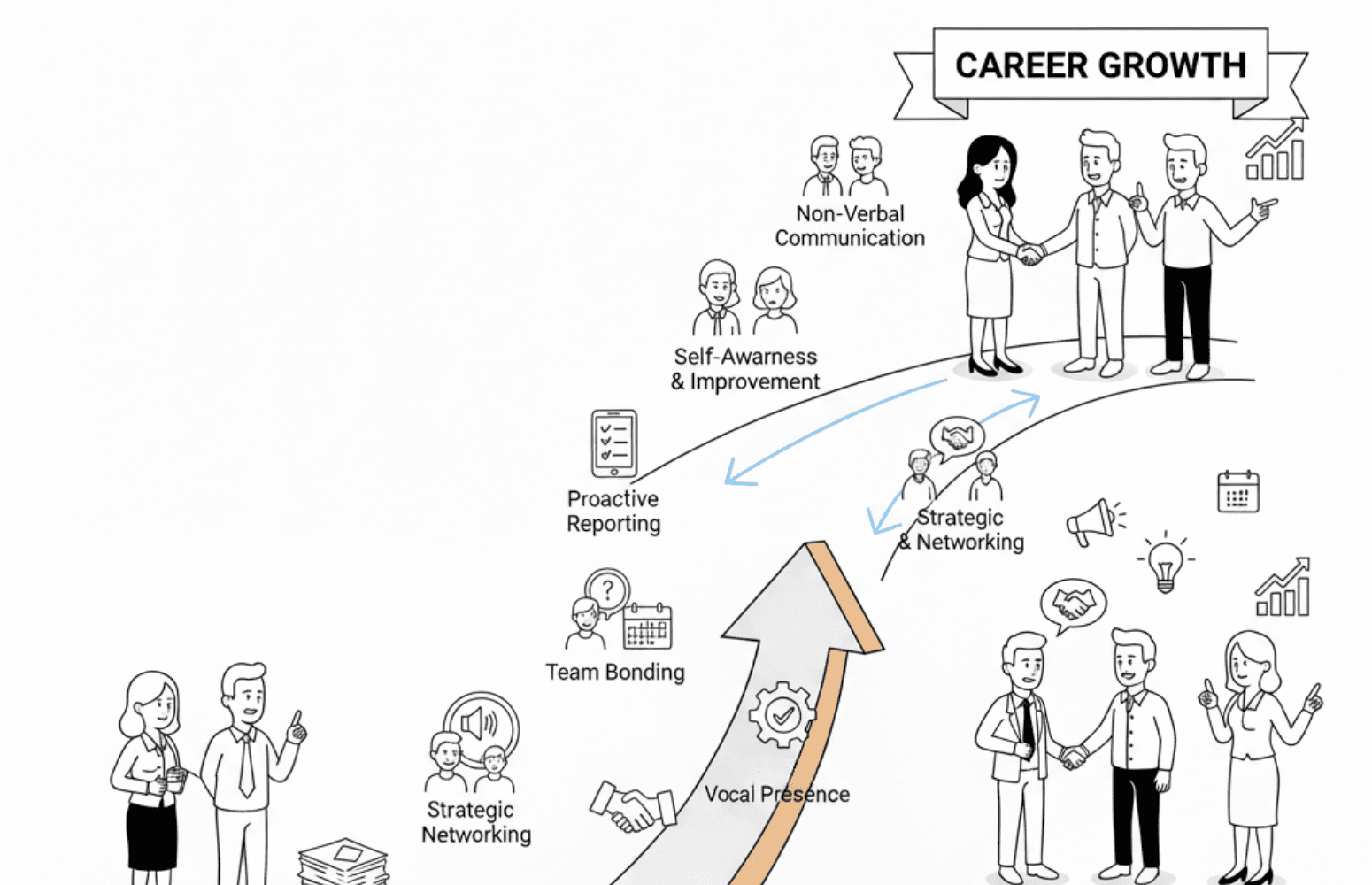
Networking is often the unsung hero of job searching. Did you know that referred candidates are up to ten times more likely to be hired than non-referred applicants? Building a professional network is critical for enhancing job prospects. To achieve this, focus on fostering meaningful connections.
Start by joining industry-specific LinkedIn groups or attending local career events. Follow industry leaders on social platforms and engage with their content to increase visibility. Building relationships with recruiters and attending virtual networking events are additional ways to connect with the right individuals. Relationships cultivated through networking not only provide job referrals but also serve as a source of mentorship and industry knowledge.
Crafting a Standout Resume and Cover Letter
Optimizing Your Resume for ATS
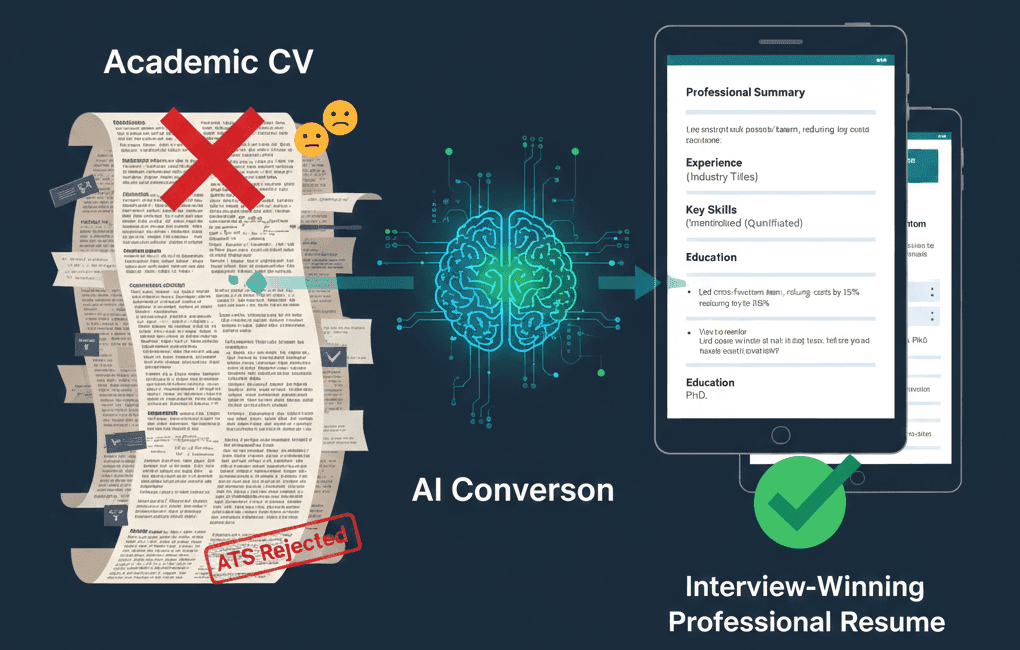
In a digital-first world, understanding Applicant Tracking Systems (ATS) is non-negotiable. Research indicates that 75% of resumes are rejected before they even reach hiring managers because they fail to pass ATS filters. To overcome this, craft your resume with precision.
Utilize exact keywords from the job description and ensure your resume follows a clean, simple format. Include measurable achievements, such as "increased sales revenue by 30%," to demonstrate impact. Tailor each resume to match the specific role you're applying for, as one-size-fits-all resumes tend to lack focus and credibility.
Writing a Compelling Cover Letter
A thoughtful cover letter complements your resume by telling your unique story. While your resume is a snapshot of your qualifications, a cover letter provides context and personality, explaining why you're the ideal candidate for the job.
To write a compelling cover letter, directly address your potential employer's needs. Start by highlighting your key accomplishments that align with the role and end with a confident pitch about your passion for contributing to their organization's success. Keep the tone conversational yet professional and personalize it wherever possible to demonstrate genuine interest.
Acing the Interview Process
Interview Preparation Techniques
This is the moment where all your efforts in job searching culminate—the interview. It’s your chance to convince the employer that you're the perfect fit for their team. Effective preparation is key to acing this stage. Start by researching the company thoroughly. Familiarize yourself with their recent projects, company culture, and any news mentions, as this demonstrates genuine interest.
Behavioral questions have become standard in interviews, and one effective way to answer them is by using the STAR (Situation, Task, Action, Result) method. This approach keeps your responses structured and focused. For instance, if asked about handling a challenging project, outline the situation, clarify your role, describe the actions you took, and explain the results achieved. This not only highlights your problem-solving abilities but also provides evidence of your skills and experience.
Additionally, customize your responses to emphasize how your accomplishments align with the company’s goals. For example, if applying to a marketing role, focus on metrics like campaign success rates or audience engagement you've driven. Preparing thoughtful questions for the interviewer about team dynamics or growth opportunities further solidifies your interest and professionalism.
Mastering Communication and Confidence
Non-verbal communication often speaks louder than words. Maintaining good eye contact, offering a firm handshake, and using open body language can create an immediate positive impression. Similarly, your tone and choice of words should reflect confidence without arrogance. Practicing common interview questions with a friend or mentor can help you refine your delivery.
Sometimes, interviews include tricky questions like, “What’s your biggest weakness?” or “Why should we hire you?” The key is to approach these with honesty and tact. For weaknesses, frame an area of improvement as a learning opportunity you’re actively working on. For example, “I’m working on improving my public speaking by attending workshops, and I’ve already seen progress.” When addressing why you’re the right fit, blend your skills, passion, and understanding of the company’s needs into a compelling narrative.
Lastly, remember that interviews are a two-way street. Just as they’re assessing you, you’re evaluating whether the company aligns with your career growth aspirations. Enter the room with poised confidence and leave it having showcased your authentic self.
Elevating Your Career Growth
Investing in Continuous Learning
Career growth doesn’t end when you land the job. In today’s ever-evolving industries, staying updated with the latest skills and technologies is non-negotiable. Identify the skills that are in demand in your field by frequently reviewing job postings and industry trends. Platforms like Coursera, Udemy, and LinkedIn Learning offer courses that can help bridge your knowledge gaps and keep you competitive.
Certifications and workshops are not just for beginners. They’re equally beneficial for seasoned professionals aiming to advance into leadership roles. For example, project managers may enhance their expertise through a PMP certification, while IT professionals can explore specialized courses in cloud computing or cybersecurity. By continuously upskilling, you increase your value to employers and pave the way for promotions or exciting career transitions.
Seeking Mentorship and Feedback
Mentorship is a powerful yet often underutilized tool for professional development. A mentor can provide you with unfiltered advice, insights, and industry-specific guidance that you won’t find in books or online resources. Seek mentors within your network or through professional organizations. Even virtual mentorship programs have become widely accessible.
Feedback is another essential element of growth. Constructive feedback, whether from managers, peers, or mentors, offers the opportunity to fine-tune skills and improve your workplace performance. View feedback not as criticism but as a roadmap for improvement. For example, if a peer suggests enhancing your presentation skills, consider enrolling in a public speaking course or volunteering for presentation-heavy tasks.
Ultimately, consistent self-reflection coupled with proactive learning and mentorship forms a virtuous cycle, accelerating your career trajectory and ensuring you remain indispensable in your field.
Conclusion
The journey to career success—whether it’s landing your dream job, transitioning into a new field, or climbing the professional ladder—requires a blend of strategy, adaptability, and persistence. By setting clear goals, mastering the job search process, crafting standout applications, excelling in interviews, and investing in ongoing growth, you dramatically improve your chances of achieving your ambitions.
Remember that the path to professional fulfillment is a marathon, not a sprint. Stay resilient, embrace feedback, and remain proactive in seizing opportunities as they come. The modern workplace is filled with challenges, but with the right mindset and tools, your dream job is well within reach.
Take Charge of Your Career Today!
Why leave your future to chance when technology can streamline your journey? Tools like FirstResume are revolutionizing the way job seekers approach applications. Imagine having an AI-powered assistant handle every detail—from crafting a tailored, keyword-optimized resume and compelling cover letter to strategizing interviews and tracking job applications.
Whether you're looking for seamless efficiency or a competitive edge in your field, turning to innovative solutions can make all the difference. Start your journey toward career success today with FirstResume, and take the leap closer to your dream job, one click at a time.