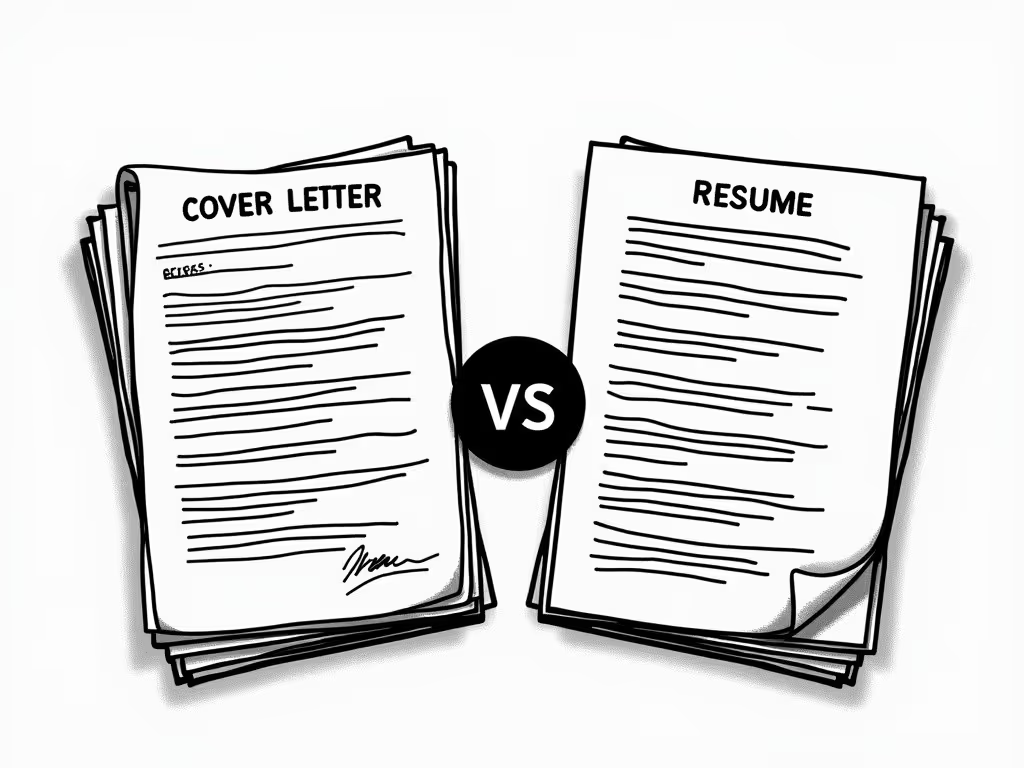
In the realm of job applications, distinguishing between the roles of a resume and a cover letter is pivotal for crafting a compelling submission.
1. Broad Strokes vs. Detailed Insights
A resume serves as a concise summary of your career, showcasing your skills and professional experiences. On the other hand, a cover letter provides a deeper dive into your qualifications, articulating why you’re particularly suited for the position. While both aim to highlight your strengths, the resume focuses on what you bring to the table, whereas the cover letter emphasizes why you are the perfect match.
2. Tone Comparison: Factual statement vs. Personal engagement
The tone of a cover letter is engaging and conversational, allowing for personal expression and enthusiasm, while maintaining professionalism. In contrast, a resume is formal and straightforward, focusing on presenting qualifications and achievements factually.
3. Complementary Nature:Fundamental vs Optional
Typically, resumes are the fundamental component of job applications, whereas cover letters may be optional. Resumes confirm your eligibility for the role, while cover letters explore the reasons you are uniquely qualified, adding depth to your application. This synergy enhances your overall profile and assists recruiters in making informed decisions.