The software engineering job market in 2025 is more bustling—and more competitive—than ever before. With a projected 22% growth in the next decade, it’s clear the industry is thriving. But with opportunity comes fierce competition, and aspiring software engineers must scale hurdles like passing applicant tracking systems (ATS), adapting to evolving hiring trends, and distinguishing themselves from an ever-growing pool of candidates. In this demanding landscape, landing your dream software engineering role isn’t just about having the skills—it’s about strategically demonstrating them. From crafting a flawless resume to utilizing cutting-edge AI tools designed for job seekers, the journey to success in 2025 relies on efficiency and relevancy. This guide is tailored to help you navigate this process with precision. You’ll learn resume tips for software engineers to pass ATS filters, strategies for preparing for software engineer interviews, and how to position yourself for long-term career growth in software engineering. If you’re passionate about securing your tech dream job, this is your roadmap to getting there.
Key Takeaways:
- Stand out in a competitive software engineering market with AI-powered resume and application strategies.
- Learn how to optimize resumes, ace interviews, and grow your career in engineering.
- Bridge the gap between your skillset and recruiters’ requirements with tools and actionable advice.
Crafting a Standout Resume
Optimizing for Applicant Tracking Systems (ATS)
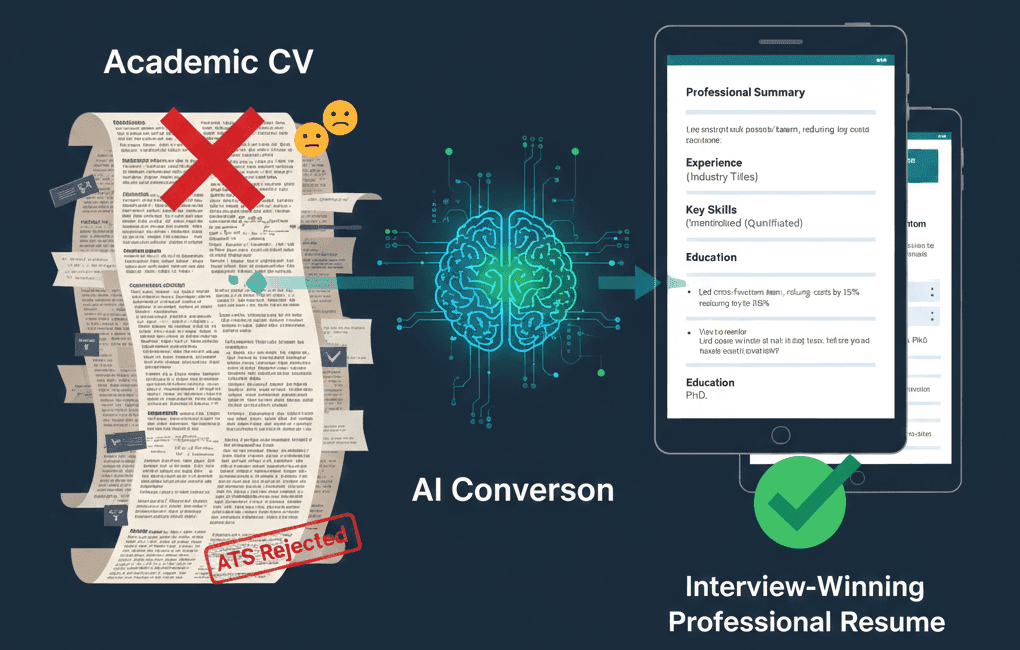
With over two-thirds of companies relying on AI for screening applicants, passing through ATS is often the first barrier between you and your desired role. ATS systems scan resumes for specific keywords that align with the job description, making keyword optimization a non-negotiable part of your resume strategy.
To beat this layer of recruitment, ensure your resume mirrors the language of the job posting. If the role requires “proficient in Python,” for example, avoid using vague descriptors like “skilled in programming languages”—specificity pays. AI-driven tools, such as keyword optimizers, can help analyze job descriptions and integrate relevant terms into your resume seamlessly.
Additionally, tailoring your resume for each application not only increases its relevance but also improves your chances of being noticed by ATS systems. Remember to keep your formatting clean (PDF is a safe bet) and avoid overly creative designs that ATS software may struggle to process.
Highlighting Key Technical Skills and Projects
In software engineering, what you’ve done matters as much as what you can do. Use your resume to paint a picture of tangible accomplishments. Quantifiable achievements—like “Reduced server downtime by 30% through redesigned infrastructure”—give hiring managers a clear idea of your impact. Don’t hesitate to include contributions to open-source projects or personal ventures that showcase your passion and advanced skills.
Organize your skills and work history to maximize readability. For instance, list your technical proficiencies (e.g., machine learning, cloud computing, Java) in a dedicated “Skills” section. Follow this with a “Projects” section where you can delve into standout initiatives, such as developing a financial forecasting tool using Python or contributing to a high-profile GitHub repository.
Ultimately, a standout resume is concise yet impactful. Keep it within 1–2 pages, focusing on depth over breadth, while ensuring a recruiter can quickly pinpoint why you’re an ideal fit.
Writing a Persuasive Cover Letter
Customizing for Each Role
Your cover letter serves as an opportunity to connect personally with a potential employer, and this connection starts with customization. Generic statements like, “I’m excited to apply for this position,” often fall flat. Instead, align your experiences, achievements, and passion with the company’s needs. If a company values innovation, share a story about how you implemented a novel algorithm that saved your previous employer time or resources.
Understanding the company’s pain points and addressing them effectively can set you apart. Research the organization’s products, mission, and current challenges to weave your narrative in a way that resonates as both specific and authentic.
Structuring for Maximum Impact
A compelling cover letter is structured strategically to make every word count. Start with a strong introductory paragraph that grabs attention. Use the body to highlight your technical expertise and soft skills, providing anecdotes that demonstrate how you’ve applied these skills effectively. For instance, you might detail how you adapted to new cybersecurity protocols, showcasing not just your technical acumen but also your flexibility.
Conclude with a call to action, like requesting an interview, and express authentic enthusiasm for the role. Importantly, avoid redundancies with your resume; the cover letter should enhance—not rehash—what the employer already knows.
AI tools can assist in drafting and refining cover letters quickly, ensuring they’re tailored, error-free, and relevant. By automating tedious yet crucial tasks, these tools give you the freedom to focus on landing the role rather than agonizing over phrasing.
Acing the Software Engineer Interview
Technical Interview Preparation
The technical interview remains the most defining stage of the hiring process for software engineers. To prepare effectively, tackle coding problems on platforms like LeetCode or HackerRank, where challenges simulate real-world scenarios. By solving problems related to algorithms and data structures, you sharpen the skills that developers use daily.
For system design interviews, practice constructing architectures for scalable, high-performance applications. Think about real-world examples—designing a ride-sharing system, for instance—to demonstrate your ability to handle broad, abstract problems. Clear, logical communication during this stage is just as important as technical accuracy.
Lastly, invest time in mock interviews. Simulations, whether conducted with peers or AI-driven platforms, allow you to receive valuable feedback and refine your responses under pressure.
Behavioral and Soft Skills Interviews
Even in tech roles, companies weigh interpersonal and problem-solving abilities heavily. The STAR method—Situation, Task, Action, Result—is a proven framework for skillfully answering behavioral questions. Suppose you’re asked to describe a time you resolved a team conflict: recount a scenario where you fostered collaboration, outlining the steps that led to a tangible positive impact.
Employers are looking for engineers who can adapt, communicate, and work in a team as effectively as they can code. Highlight instances where you worked cross-functionally or stepped into leadership roles during high-pressure situations. These anecdotes help build a picture of an engineer capable of thriving in dynamic environments.
Practicing with AI-driven mock interview tools is another game-changer. These platforms can simulate different types of questions, instantly evaluate your responses, and offer targeted improvements to help you interview convincingly and confidently.
Leveraging AI Tools for Job Applications
Automating Applications
In 2025, competition for software engineering roles is at an all-time high. Fortunately, AI tools can streamline and transform a traditional job search into a smarter, more efficient process. Many software engineers spend countless hours manually tailoring resumes and tracking job applications. However, through automation, AI can take care of these repetitive tasks, enabling you to focus more on refining your technical skills and interview readiness.
AI-job automation platforms can scan hundreds of job postings, extract relevant keywords, and generate tailored resumes quickly. These tools not only enhance efficiency but also increase the chances of passing through ATS. Moreover, AI can also manage the tedious process of application tracking. Instead of juggling spreadsheets and emails, AI-powered trackers organize where you’ve applied, the role, and your progression in the hiring process—crucial for keeping your search organized and pressing forward effectively.
Smart Job Matching and Career Tracking
AI goes beyond just automation—it acts as a career matchmaker. By analyzing your skills, experience, and job preferences, AI tools can recommend high-fit opportunities that you might have otherwise overlooked. For example, if your expertise lies in cloud architecture, AI-driven platforms can prioritize openings in top-tier organizations requiring this skill. This targeted approach ensures you're not wasting energy on low-compatibility roles.
Additionally, career tracking tools provide personalized insights and recommendations based on industry trends, enabling you to make data-informed decisions about your growth trajectory. These tools also monitor your portfolio of skills, advising when to upskill or pursue certifications in emerging areas like AI, machine learning, or cybersecurity—which significantly boosts your profile's attractiveness.
Planning for Long-Term Career Growth
Continuous Learning and Upskilling
The technology landscape is continuously evolving, and remaining stagnant in your skills can hinder your long-term career growth in software engineering. Continuous learning is the foundation of staying relevant in this ever-changing industry. In-demand areas like cloud computing, AI, and cybersecurity require dedicated effort to master. Online platforms, certification programs, and technical bootcamps are excellent avenues to build these competencies.
For instance, certifications like the AWS Certified Solutions Architect or Microsoft Azure Fundamentals demonstrate your dedication to understanding cloud ecosystems. Similarly, AI-focused credentials, such as TensorFlow Developer or AWS Machine Learning Specialty, can make you stand out in specialized job roles. If self-paced learning suits you, platforms like Coursera or EdX provide university-level courses taught by top instructors. Hands-on practice, however, is just as critical. Build personal projects, contribute to open-source repositories, or join hackathons to apply your knowledge in real-world scenarios. These efforts not only sharpen your skills but also enrich your portfolio, showcasing your initiative to potential employers.
Building a Personal Brand
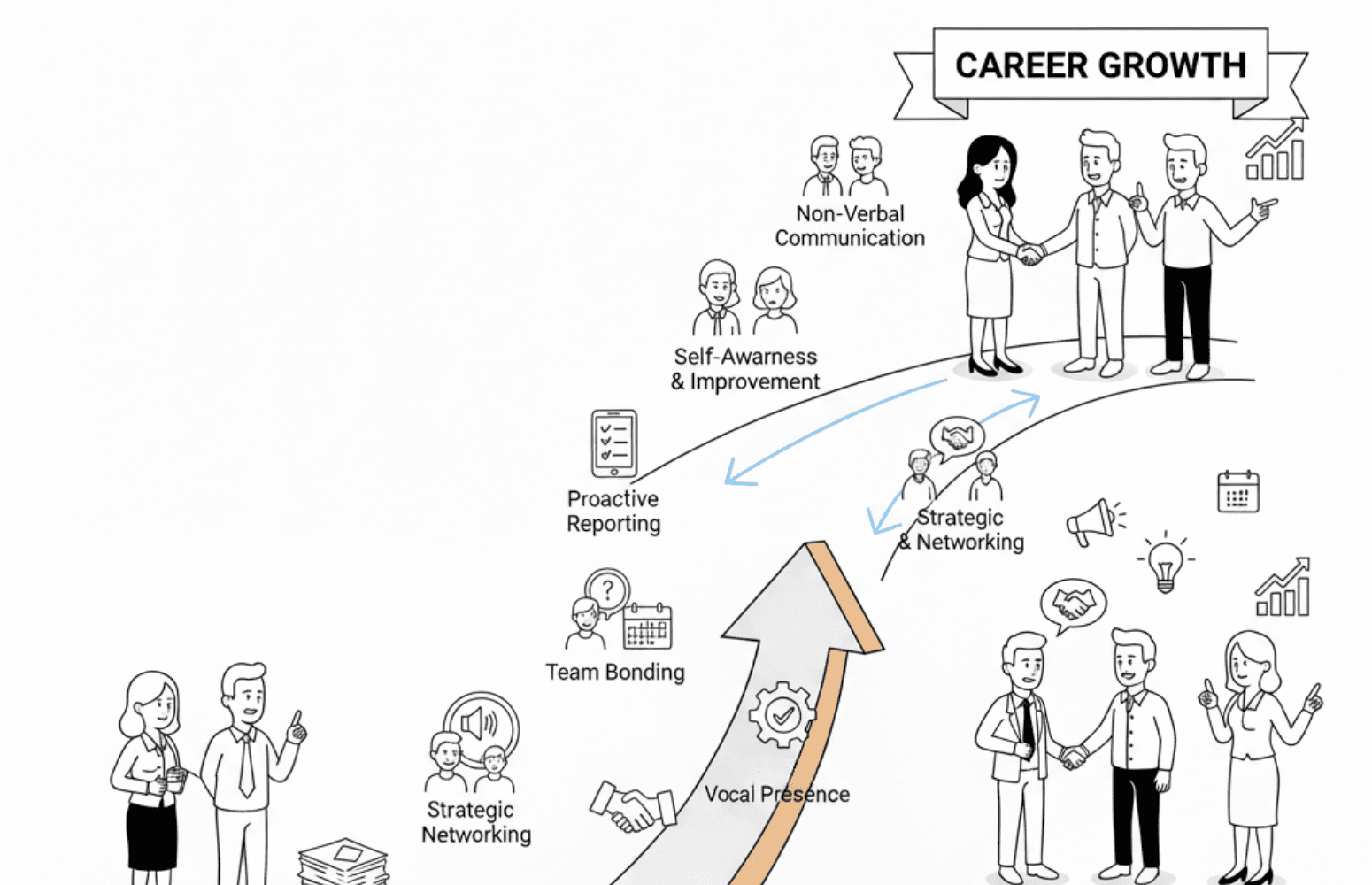
A personal brand is as important as your technical expertise. Companies are increasingly searching for candidates with active profiles on platforms like LinkedIn or GitHub, which serve as digital resumes and a showcase of your work. A strong LinkedIn profile with a professional photo, detailed descriptions of your accomplishments, and endorsements from colleagues can make a lasting impression.
Your GitHub repository, meanwhile, should highlight quality over quantity. Include well-documented code that demonstrates your ability to solve complex problems. Beyond this, consider contributing to well-known open-source projects or creating tutorials and blogs on Medium about advanced tech concepts. Engaging with the developer community through meetups, speaking events, or contributions positions you as a thought leader and boosts your professional visibility.
Conclusion
Landing your dream job as a software engineer in 2025 demands more than technical skills—it requires a holistic approach that integrates a tailored application strategy, thorough interview preparation, and proactive career planning. Applying the right techniques to craft optimized applications will help you glide past ATS and grab recruiters' attention. Mastering both technical and soft skills ensures you’re ready to thrive in interviews, while leveraging AI tools takes the efficiency of your job search to the next level.
Moreover, sustained career growth relies on constant learning and a compelling personal brand. Networking, upskilling through certifications, and engaging in the coding community continuously position you for success in this dynamic industry. Remember, the process only gets simpler and smarter with the right tools and strategic action.
Accelerate Your Road to Success
If you're ready to revolutionize your job-search process, it's time to adopt a smarter approach. AI-powered platforms like FirstResume are designed to eliminate the hassle of crafting applications, tracking opportunities, and preparing for interviews. Leverage their cutting-edge technology to take the complexity out of searching for your dream role. Simply upload your details and let AI handle the rest so you can focus on what truly matters—nailing that job!