Why You Don’t Need to Panic About Experience
Landing your first internship can feel intimidating, especially when every job posting seems to ask for "experience." But here’s the truth: experience comes in many forms, and employers are often looking for potential, not perfection.
In fact, according to a survey by Chegg Internships, 78% of employers say enthusiasm and a willingness to learn can outweigh direct experience when hiring interns. Employers understand that students, especially those early in their academic journey, may not have formal work histories. Instead, they look for transferable skills, a proactive attitude, and the ability to adapt to new challenges.
Many students successfully land internships by creatively showcasing skills they’ve gained through coursework, volunteering, student activities, or personal projects. These experiences, though informal, demonstrate initiative and a strong work ethic—qualities that employers value highly.
In this blog, we’ll cover:
- How to stand out as a strong candidate when you don’t have traditional experience.
- The key skills you should develop early in your university career to boost your employability.
- Alternative ways to gain experience if internships aren’t immediately available.
By the end, you’ll feel confident about taking actionable steps to kickstart your career—even if it’s your very first step.
1. How to Stand Out When You Don’t Have Relevant Experience
When you’re applying for internships, it’s natural to feel like you’re at a disadvantage without direct experience. But here’s the good news: employers are willing to take a chance on candidates who demonstrate potential. The key is to think beyond traditional work experience and focus on transferable skills, personal projects, and tailored applications.
1.1 Focus on Transferable Skills
Every experience you’ve had—whether it’s through academics, hobbies, or extracurriculars—contributes to your overall skill set. Transferable skills are abilities that can apply across jobs and industries, and they’re exactly what employers want to see from first-time applicants.
Think about skills like:
- Teamwork: Have you collaborated on group projects, played sports, or worked with a student club? These experiences show your ability to work effectively with others.
- Problem-Solving: Did you overcome challenges while organizing an event or completing a difficult assignment? Highlight how you approached and resolved the issue.
- Leadership: Have you ever taken charge of a project, led a team, or held a position in an organization? These examples demonstrate your responsibility and ability to inspire others.
Example: Let’s say you’re applying for a marketing internship, but you’ve never worked in marketing. Instead, you were part of your university’s debate team and helped organize events. On your CV, you might write:
"Led promotional efforts for university debate events, increasing attendance by 30% through engaging social media campaigns. Developed strong communication and organizational skills."
Pro Tip: Employers prioritize quantifiable results, so don’t just list responsibilities—show the impact of your actions. For instance, instead of saying, “Helped organize events,” say:
“Coordinated logistics for a student conference that attracted 300 attendees and secured 5 guest speakers.”
1.2 Showcase Personal Projects
One of the best ways to stand out is to create your own opportunities. Employers love seeing initiative—so if you don’t have formal experience, personal projects can fill the gap. Personal projects not only demonstrate your skills but also show your passion and commitment to learning.
Examples of personal projects:
- Aspiring Software Developer: Build a simple app or website. Even a small project demonstrates technical skills, creativity, and problem-solving.
- Interested in Content Creation: Start a blog, YouTube channel, or Instagram page showcasing your written, video, or design skills.
- Want a Career in Design: Create mock-up designs or branding projects for imaginary clients—tools like Canva and Figma are beginner-friendly!
Data Insight: According to a NACE (National Association of Colleges and Employers) study, 79% of employers said students with project portfolios stood out more than those without one.
Example: If you’re interested in web development, you could build a portfolio website for yourself. On your CV, you might write:
"Designed and developed a personal portfolio website using HTML, CSS, and JavaScript, showcasing projects and skills in front-end development."
These projects can be highlighted in your CV, LinkedIn profile, or even during interviews to demonstrate your initiative and technical abilities.
1.3 Tailor Your Applications
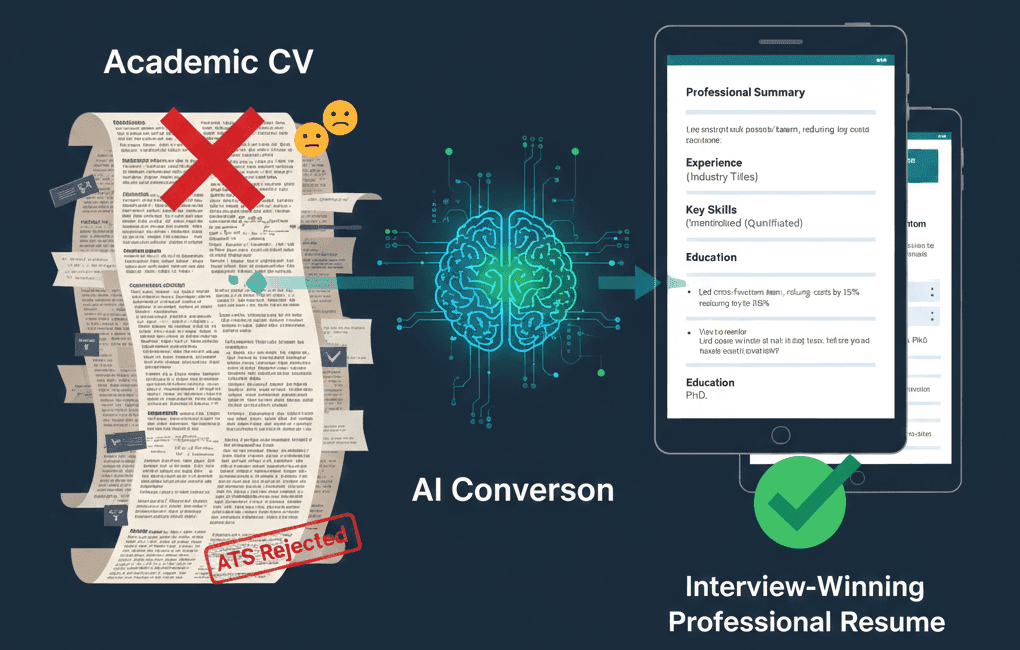
One of the most overlooked yet critical steps in the application process is tailoring your CV and cover letter to the specific role. In today’s competitive job market, generic applications are often filtered out by Applicant Tracking Systems (ATS) before they even reach a hiring manager.
Why Tailoring Is Essential: ATS software scans resumes for keywords that match the job description. If your application doesn’t include the right phrases or skills, it might never be seen by a human recruiter. According to Jobscan, 75% of resumes are rejected before they even reach a recruiter because they don’t meet ATS requirements.
How to Tailor Your Application:
- Analyze the Job Description: Identify the key skills and qualifications the employer is seeking.
- Incorporate Keywords: Use the same terminology as the job listing in your CV and cover letter.
- Highlight Relevant Achievements: Emphasize experiences that align with the role, even if they’re from academics or extracurriculars.
Example: If the job description mentions “data visualization” and “Excel proficiency,” make sure these terms appear in your CV. Write something like:
"Created data visualizations using Excel to analyze survey results from 300+ respondents, identifying trends to inform marketing strategies."
Time-Saving Tip: Understandably, tailoring every application can be time-consuming. That’s where AI tools like FirstResume come in. FirstResume uses advanced algorithms to analyze job descriptions and generate tailored CVs, cover letters, and even interview preparations. It ensures that your application is ATS-friendly and customized for the role, saving you hours of manual effort.
Why Use FirstResume?
- Automatically matches your skills and experiences to job descriptions.
- Generates professional, polished documents in minutes.
- Increases your chances of passing ATS filters and impressing recruiters.
By using tools like FirstResume, you can focus on what matters—preparing for interviews and building your skills—while ensuring your applications are flawless. It offers a free version, so give it a try!
2. Skills to Develop in Your First or Second Year
Your first and second years of university are the perfect time to start building the skills that will make you more employable. Focus on a combination of hard skills (technical abilities) and soft skills (interpersonal abilities) that are valued across industries.
2.1 Hard Skills
Hard skills are technical, task-specific abilities that vary by industry. They are often learned through coursework, online certifications, or practical application.
Here are some universally useful hard skills to develop:
- Microsoft Office Suite: Learn Excel for data analysis, PowerPoint for presentations, and Word for document formatting.
- Data Analysis: Start with beginner tools like Google Sheets or Excel, then explore programming languages like Python or SQL if you’re interested in data-heavy roles.
- Digital Marketing: Take free certifications from Google Digital Garage, HubSpot Academy, or Hootsuite to learn about SEO, social media, and email marketing.
- Basic Design Tools: Canva is ideal for beginners, while Figma and Adobe tools like Photoshop and Illustrator are great for advanced learners.
- Digital Literacy: In 2025 and beyond, digital literacy will be critical for every industry. Learn how to use AI tools like ChatGPT, Notion, or MidJourney to boost productivity and creativity in your projects.
- Project Management Tools: Familiarize yourself with tools like Trello, Asana, or Monday.com to showcase your ability to manage and coordinate tasks.
Example Action Plan: If you aim to work in digital marketing, set aside 1 hour per week to complete a free online course. By the end of the semester, you’ll have certifications to add to your CV and LinkedIn profile, demonstrating your initiative and technical knowledge.
2.2 Soft Skills
Soft skills are just as important as technical skills. Employers consistently rank them as must-haves for new hires, regardless of the role or industry.
Top soft skills to develop:
- Communication: Practice writing professional emails, delivering presentations, and explaining complex ideas clearly.
- Problem-Solving: Participate in hackathons, case competitions, or strategy games to develop logical thinking and creativity.
- Time Management: Balance academics, extracurriculars, and personal projects to demonstrate your ability to handle multiple priorities.
- Global Availability: As remote work becomes more common, employers value candidates who can adapt to global teams and diverse time zones. Show your cultural awareness and flexibility.
- Agility and Flexibility: The modern workplace evolves quickly. Employers look for candidates who can adapt to change, learn new tools, and thrive in uncertain environments.
- Digital Literacy: Beyond technical skills, showcase your comfort with digital platforms and AI tools. Employers value employees who can integrate technology into their workflows to enhance efficiency.
Pro Tip: Use university resources like workshops, career centers, or student organizations to develop these skills. For example, attending public speaking events can build confidence in communication.
Did You Know? A LinkedIn report found that 92% of recruiters prioritize soft skills like adaptability and teamwork when evaluating candidates.
3. What to Do If You Can’t Find an Internship
Not landing an internship immediately can feel discouraging, but it’s important to remember that there are plenty of alternative ways to gain valuable experience. These options can help you build your skill set, expand your network, and strengthen your resume, ensuring you’ll be a stronger candidate for future opportunities. Below, we explore five practical and impactful alternatives, each elaborated with actionable steps and examples to help you succeed.
3.1 Volunteer Work
Volunteering is one of the most accessible and impactful ways to gain experience while giving back to your community. It not only allows you to develop transferable skills like leadership, teamwork, and communication but also demonstrates your initiative and commitment to contributing to a cause. Employers value candidates who display a proactive attitude and community involvement, even if it’s not directly related to their field.
How to Identify Valuable Volunteering Opportunities:
- Interested in social media marketing? Volunteer to manage Instagram or Facebook pages for a local nonprofit.Interested in project management? Help coordinate events or fundraisers for a charity.
- Use Platforms Like VolunteerMatch or Idealist: These platforms list volunteer opportunities across various industries and locations.
Example: If you’re passionate about education and want to develop your communication skills, you could volunteer as a tutor for underserved communities. On your CV, you might write:
"Volunteered as an English tutor for [Nonprofit Name], providing weekly lessons to 15 students and improving average test scores by 20% over three months."
Volunteering not only boosts your resume but also gives you stories to share during interviews, showcasing your dedication and problem-solving abilities in real-world contexts.
3.2 Freelance or Gig Work
Freelancing is an excellent way to gain professional experience, build a portfolio, and even earn income while still in school. Platforms like Fiverr, Upwork, or LinkedIn Services allow you to showcase your skills and connect with clients looking for short-term or project-based work.
How to Start Freelancing:
- Identify Your Skills: What can you offer? Writing, graphic design, video editing, coding, and tutoring are popular services for students to start with.
- Create a Profile on Freelance Platforms: Highlight your abilities, include examples of your work, and set competitive rates. Don’t worry if you’re new—many clients are open to hiring beginners if the rates are reasonable.
- Start Small: Offer services to friends, family, or local businesses to build your portfolio.
Example: If you’re studying graphic design, you could offer logo design services on Fiverr. After completing a few projects, your portfolio might include work like:
"Designed logos for three small businesses, incorporating feedback to create modern, brand-aligned visuals that improved client satisfaction by 90%."
Freelancing helps you gain hands-on experience, develop client management skills, and build a professional portfolio you can showcase to future employers.
3.3 Join Student Societies
Being active in student societies and clubs is a fantastic way to develop leadership, teamwork, and organizational skills. Many student organizations operate like small businesses, with members taking on roles such as treasurer, event coordinator, or marketing director. These roles offer real-world experience in managing budgets, organizing events, and leading teams.
How to Get Involved:
- Choose a Society or Club That Interests You: Look for organizations that align with your career goals or personal passions. For example, join the debate team to improve public speaking or the entrepreneurship club to learn about starting a business.
- Take on Leadership Roles: Don’t just be a passive member—volunteer to lead a committee, manage a project, or take on an executive position.
- Document Your Achievements: Track your contributions and the results you achieved for the group.
Example:
"As the president of [Student Society Name], led a team of 15 members to organize a university-wide hackathon, securing sponsorships worth $5,000 and attracting 200 participants from 10 universities."
Employers love seeing student society involvement on resumes because it shows initiative, leadership, and the ability to work collaboratively—all of which are essential workplace skills.
3.4 Go for Networking Events
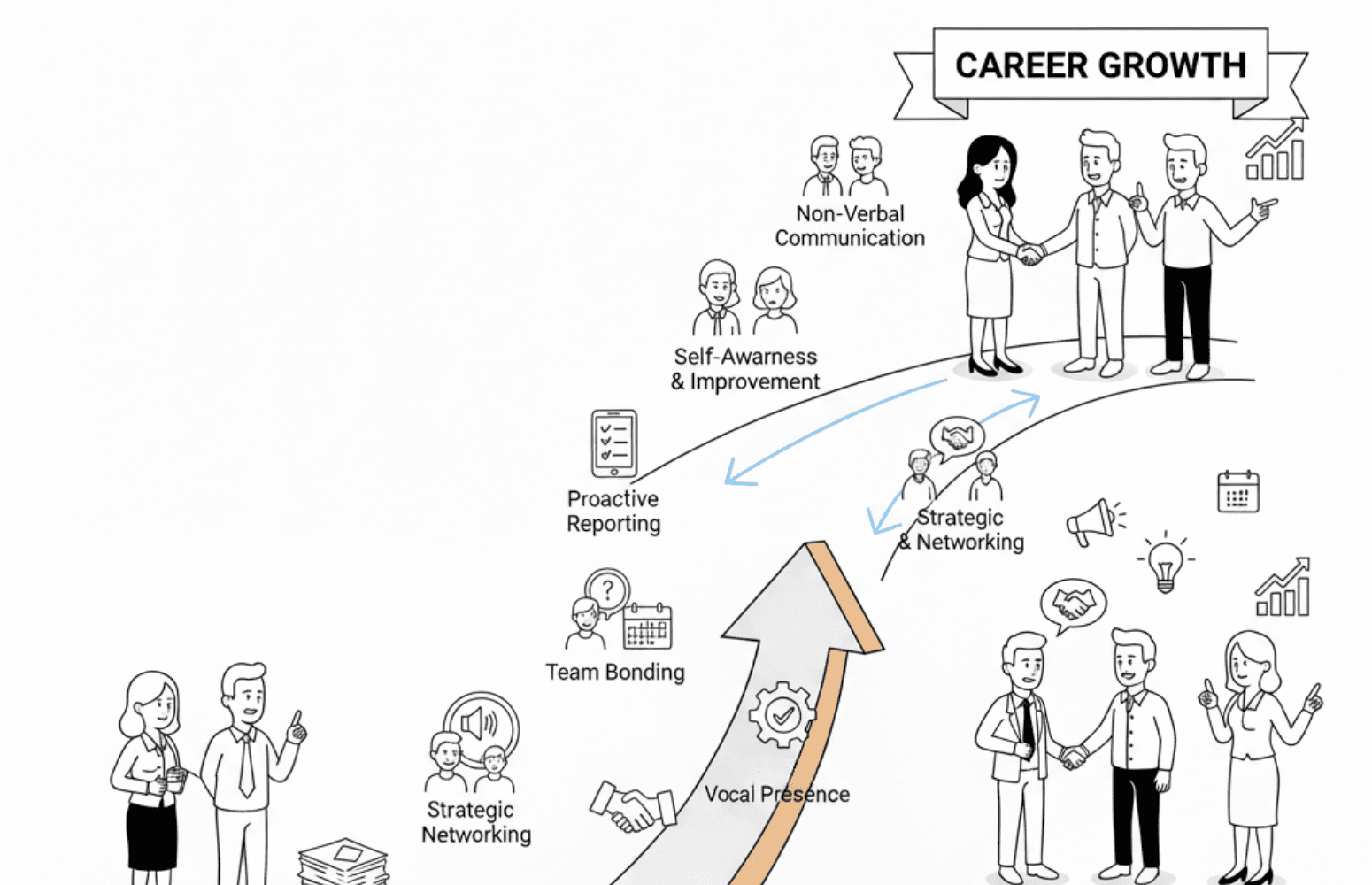
Networking events are one of the most effective ways to build connections, discover hidden opportunities, and gain insights into your desired industry. Whether it’s a career fair, alumni event, or industry-specific meetup, these events allow you to meet professionals, ask questions, and leave a lasting impression.
Why Networking Matters: According to LinkedIn, 85% of jobs are filled through networking, meaning many opportunities are never even posted online. Networking events can open doors to internships or mentorships that you might not have found otherwise.
How to Make the Most of Networking Events:
- Do Your Research: Identify key people you’d like to meet, such as recruiters, alumni, or industry professionals. Research their roles and companies beforehand to ask informed questions.
- "Hi, I’m [Name], a second-year computer science student at [University]. I’m passionate about software development and recently built a mobile app as part of a personal project. I’d love to learn more about your experience at [Company Name]."
- Ask Questions and Listen: Instead of focusing on what you can gain, show genuine interest in the other person’s experiences and advice.
- "Hi [Name], it was great meeting you at [Event]. I appreciated your advice on breaking into [industry] and would love to stay connected."
Example: By attending a university career fair, you might meet a recruiter who doesn’t have an immediate opening but remembers you when a position becomes available. Networking isn’t just about instant results—it’s about planting seeds that may grow into opportunities later.
3.5 Join Mentorship Programs
Mentorship programs offer a unique opportunity to build a one-on-one relationship with an experienced professional who can guide you through your early career journey. Unlike networking events, which are more general, mentorship programs provide personalized, long-term support tailored to your goals.
Why Mentorship Is Crucial:
- Personalized Advice: A mentor can help you navigate challenges, from choosing the right career path to improving your interview skills.
- Industry Insights: Mentors can give you a behind-the-scenes look at what it’s like to work in their field, helping you decide if it’s the right fit for you.
- Expanded Network: Mentors often introduce their mentees to their professional network, creating additional opportunities.
How to Find a Mentor:
- University Programs: Many universities have formal mentorship programs that pair students with alumni or industry professionals.
- Professional Associations: Organizations like the American Marketing Association (AMA) or IEEE often have mentorship initiatives.
- Informal Outreach: If there’s someone you admire on LinkedIn, send them a polite message asking for mentorship. For example:
"Hi [Name], I’m a [Your Degree] student interested in [field]. I admire your career path and was wondering if you’d be open to a short mentorship to help me better understand the industry."
Example: Suppose you’re paired with a mentor who’s a marketing manager at a major firm. They might help you refine your LinkedIn profile, review your CV, or even recommend you for an internship at their company. On your CV, you could mention this experience as:
"Participated in [University’s Mentorship Program], receiving one-on-one guidance on career development and marketing strategies from a senior industry professional."
Mentorship accelerates your learning curve and gives you a competitive edge when applying for future opportunities.
Why These Alternatives Work
These five strategies—volunteering, freelancing, joining student societies, networking, and mentorship—are highly effective because they allow you to gain real-world experience, develop professional relationships, and showcase your initiative. Whether you’re creating value for a nonprofit, building a freelance portfolio, or forming connections at a networking event, you’re actively proving your potential to future employers.
Remember: Experience comes in many forms. If you can’t find an internship right away, these alternatives will set you up for long-term success while helping you stand out from the crowd.
Take the First Step Today
The key to landing your first internship is proactive effort. Even if you don’t have formal work experience, you can stand out by focusing on transferable skills, building personal projects, and gaining experience through volunteering or freelancing.
Remember: Employers are looking for potential, not perfection. Start small, stay consistent, and don’t be afraid to step out of your comfort zone.
Take action today—what’s one skill you can start developing or one project you can begin this week?